PRESENCE
The Art of Witnessing
Jennica Mills
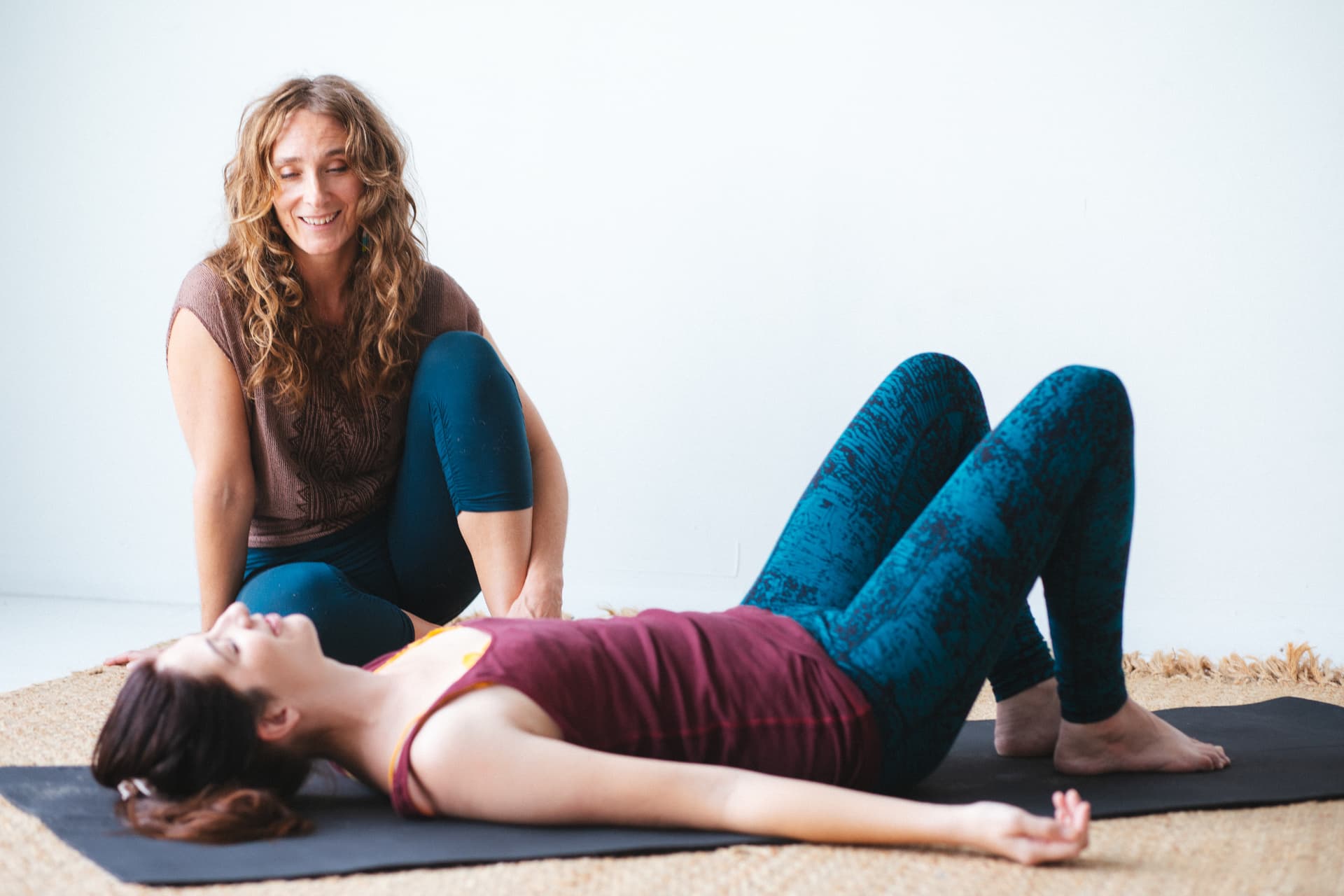
I've never quite loved the phrase "holding space." I understand the sentiment. We're offering our attention, making room for another person's experience, and resisting the urge to fix, interpret, or make something happen. I value all of that, but the phrase seems to ask us to be there while simultaneously asking us not to be there, as though we could somehow become a neutral container for someone else's experience.
But we're not containers. We're human beings. And, when two people come together, something happens between them. We sense one another, respond to one another, and are affected by one another. Our breathing changes, our expressions shift, and our bodies participate in the encounter whether we're consciously aware of it or not. There is a there there, and that there belongs to both of us.
I'm much more interested in the art of witnessing. I don't believe genuine presence requires us to remove ourselves from the relationship. It requires us to recognize how we're participating in it.
This becomes particularly important when we're working with others. When someone is frightened, angry, or overwhelmed, we might feel an impulse to reassure them, intervene, or ease their discomfort. Witnessing asks us to recognize those impulses without automatically acting on them. Can I notice my discomfort without requiring you to become more comfortable? Can I be affected by your experience without making it about me?
There are moments in my work when something changes in the quality of contact between myself and the person I'm sitting with. Sometimes their breathing shifts, they discover a sensation, or something that has been difficult to express finally finds words. Other times, nothing obvious changes at all, but I can feel something becoming more available. There's a quality of being here together that feels almost tangible, as though the relationship itself has become more alive.
I can't manufacture those moments. I can bring my attention, experience, curiosity, and skill, but genuine contact emerges through our participation in what's actually happening. Sometimes that means remaining quiet and breathing, and sometimes it means asking a difficult question, establishing a boundary, or acknowledging that I've misunderstood something.
Witnessing also means accepting that we'll occasionally get it wrong. We'll miss cues, make assumptions, and respond from our own histories. Our willingness to recognize those moments and participate in repair is as important as our capacity to be present in the first place.
I think we've made something fundamentally human sound like a specialized skill. We are relational creatures, born with capacities for connection and attunement that develop through our experiences with one another. Professional practice requires knowledge, discernment, and ethical responsibility, but none of those can replace genuine contact.
Perhaps that's what I appreciate most about witnessing. We don't have to disappear to make room for another person, and we don't have to take responsibility for orchestrating their experience. We can remain available to ourselves while genuinely encountering someone else, allowing both of us to participate in the relationship without losing our own place within it.
This kind of showing up matters enormously in trauma recovery. So much of what we learn through overwhelming or painful experiences is organized around protection. We may learn to suppress our feelings, anticipate the needs of others, or disconnect from parts of ourselves in order to preserve some sense of safety or belonging. When we encounter someone who can remain present with us through discomfort, uncertainty, and the full range of our human experience, something different becomes possible. Our nervous systems have an opportunity to discover that being seen doesn't necessarily mean being judged, that having feelings doesn't necessarily threaten connection, and that we can remain in relationship without abandoning ourselves.
This is part of how our capacity for connection, choice, and responsivity can grow. Not because another person has regulated us into a particular state, but because we've had an experience of being met without needing to become something other than what we are. We are in relationship with what is, and within that relationship, new possibilities can emerge.